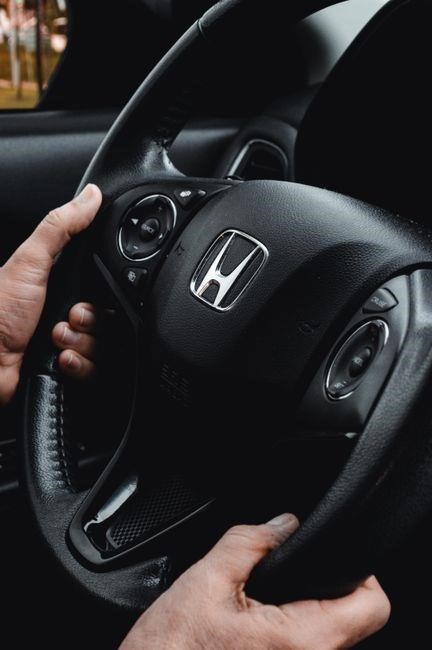
Owners Manual Overview
The 2012 Honda Odyssey Owners Manual is a 441‑page‚ 21.6 MB PDF that covers driving instructions‚ safety features‚ maintenance schedules‚ and troubleshooting. It offers step‑by‑step guidance for owners‚ with step‑by‑step illustrations and clear explanations for every system. It also offers a quick‑reference guide.!!
Body Repair Manual Summary
The 2012 Honda Odyssey Body Repair Manual is a comprehensive‚ 200‑page guide that details panel alignment‚ body panel removal‚ and repair procedures for the vehicle’s exterior. It includes step‑by‑step illustrations‚ torque specifications‚ and recommended tools for each repair task. The manual covers front‑end‚ side‑panel‚ and rear‑end damage repair‚ as well as paint‑matching and re‑finishing techniques. It also provides safety warnings‚ proper handling of hazardous materials‚ and disposal instructions for old panels and paint. The guide is organized into sections that correspond to the vehicle’s body structure‚ making it easy for technicians to locate the correct procedures. In addition‚ the manual includes a detailed index‚ a glossary of body‑repair terms‚ and a troubleshooting flowchart for common damage scenarios. This resource is essential for body shops and DIY enthusiasts who need accurate‚ manufacturer‑approved repair instructions to maintain the Odyssey’s structural integrity and aesthetic appearance.
The manual’s detailed diagrams illustrate the sequence for removing and reinstalling the front bumper‚ side panels‚ and rear hatch. It specifies the placement of mounting bolts‚ the required torque sequence‚ and the recommended use of a torque wrench. Additionally‚ the guide highlights the importance of checking for corrosion before reassembly and advises on using protective coatings. By adhering to these procedures‚ technicians can restore the vehicle’s structural integrity and appearance.
The manual also offers a troubleshooting flowchart for scenarios fast repair;

Technology Reference Manual Highlights
The 2012 Honda Odyssey Technology Reference Manual provides an in‑depth look at the vehicle’s integrated electronic systems. It begins with a detailed overview of the infotainment hub‚ outlining the touchscreen interface‚ navigation mapping‚ and voice‑control commands. The manual explains how to calibrate the GPS‚ update map data‚ and customize route preferences to match driver habits. It also covers the integration of the smartphone connectivity suite‚ including Apple CarPlay and Android Auto‚ and the steps required to pair devices securely.
The guide then shifts focus to the advanced driver‑assist features that enhance safety and convenience. It details the operation of adaptive cruise control‚ lane‑keeping assist‚ and forward‑collision warning systems‚ including the sensor arrays and camera feeds that feed data into the vehicle’s central computer. It explains how to activate and deactivate each system‚ interpret warning lights‚ and reset alerts after a collision. It also provides troubleshooting steps for sensor misalignment or software glitches.
A significant portion of the manual is dedicated to the Bluetooth Hands‑FreeLink functionality. It walks the reader through pairing a mobile device‚ managing call logs‚ and controlling audio playback from the dashboard. The manual lists supported audio codecs‚ explains how to adjust equalizer settings‚ and shows how to use voice‑activated commands to change stations or adjust volume without taking hands off the wheel. It also covers the use of the remote audio control buttons located on the steering wheel for quick access to media functions.
Finally‚ the Technology Reference Manual includes a section on system diagnostics and software updates. It outlines the procedure for connecting the vehicle to the Honda Diagnostic Tool‚ interpreting error codes‚ and performing over‑the‑air updates for the infotainment and safety modules. The manual emphasizes the importance of keeping firmware current to maintain compatibility with new smartphone operating systems and to receive the latest feature enhancements. It concludes with a glossary of technical terms and a list of service centers authorized to perform advanced electronic repairs.

Quick Reference Guide Contents
The Quick Reference Guide for the 2012 Honda Odyssey condenses the most frequently used controls into a single‚ easy‑to‑read page. It lists the steering‑wheel buttons‚ the dash‑panel icons‚ and the center‑console functions with concise labels and short descriptions. The guide covers voice‑control commands‚ Bluetooth Hands‑FreeLink pairing‚ and remote audio controls‚ allowing drivers to manage music‚ calls‚ and navigation without looking away from the road. It also details the cruise‑control settings‚ wiper and washer operation‚ and the emergency‑brake indicator. A troubleshooting checklist helps resolve common issues such as unresponsive buttons or lost Bluetooth connections. The layout is designed for quick reference during daily commutes or when learning new features‚ and it directs owners to the relevant pages in the full manual for detailed instructions. The guide is printed on durable paper and can be clipped to the driver’s side door or stored in the glove compartment for instant access. The Quick Reference Guide also includes a quick‑look table for the cruise control settings‚ showing the speed range‚ acceleration‚ and disengage options. It explains how to activate the adaptive cruise control‚ adjust the following distance‚ and reset the system after a collision. The wiper and washer section lists the low‚ medium‚ and high speeds‚ the automatic mode‚ and the washer fluid reservoir capacity. The emergency brake indicator section describes the warning light‚ the brake‑force sensor‚ and the steps to perform a brake‑force test. All information is presented in a clear‚ concise format to aid drivers in maintaining optimal vehicle performance for safety!!!

Navigation System Features
The 2012 Honda Odyssey’s navigation system is a fully integrated‚ voice‑controlled unit that combines a high‑resolution touch display‚ a real‑time GPS receiver‚ and a built‑in map database. The system offers turn‑by‑turn directions‚ traffic‑aware routing‚ and lane‑guidance overlays that adjust the route based on current traffic conditions. Users can enter destinations by voice‚ by selecting points on the map‚ or by using the pre‑stored “Favorites” list. The system supports multiple map layers‚ including road‚ terrain‚ and satellite imagery‚ and it can display points of interest such as restaurants‚ gas stations‚ and service centers. The voice‑control feature allows drivers to issue commands such as “Navigate to 123 Main Street‚” “Show me the nearest gas station‚” or “What’s the traffic like to work?” The navigation UI includes a dynamic “Next Turn” indicator that updates in real time‚ a “Route Summary” panel that shows distance‚ estimated time‚ and remaining stops‚ and a “Traffic Alerts” icon that highlights congested segments. The Odyssey’s navigation can be paired with the Bluetooth Hands‑FreeLink system so that incoming calls and music controls can be managed from the steering wheel. The navigation system also supports a “Voice‑Activated Phone” function that lets drivers call contacts by name. In addition‚ the Odyssey offers a “Map Update” service that can be downloaded via the vehicle’s USB port or over the air‚ ensuring that map data stays current. The navigation system’s power consumption is optimized by a low‑power mode that dims the display during long trips‚ and the system can be turned off manually from the settings menu to conserve battery when the vehicle is parked. Overall‚ the 2012 Odyssey’s navigation system provides a comprehensive‚ user‑friendly experience that enhances safety and convenience for drivers and passengers alike. The system’s intuitive interface and robust connectivity make it a standout feature for families on the go‚ ensuring that every journey is smooth‚ informed‚ and enjoyable for all occupants. Users can also customize the display theme‚ adjust the volume of voice prompts‚ and set up driver‑specific profiles for personalized navigation settings.
Bluetooth HandsFreeLink Functionality
The 2012 Honda Odyssey’s Bluetooth HandsFreeLink system is a fully integrated‚ voice‑controlled communication hub that lets drivers connect their mobile devices‚ make and receive calls‚ and stream audio without a wired connection. Using the HandsFreeLink protocol‚ the vehicle’s infotainment unit establishes a secure‚ low‑latency link with the paired phone. Once paired‚ the driver can initiate a call by pressing the “Phone” button on the steering wheel or by issuing the voice command “Call [contact name]” through the built‑in voice‑control feature. Incoming calls are announced automatically‚ and the driver can answer or reject them with a single button press. The HandsFreeLink interface also supports the “Hands‑Free” mode for voice‑to‑text dictation‚ allowing the driver to send text messages or emails while keeping their hands on the wheel. In addition to call handling‚ the system provides full audio streaming: music‚ podcasts‚ and other media can be played through the vehicle’s speakers‚ and the driver can control playback (play‚ pause‚ next‚ previous) from the steering wheel or via voice commands. The system’s power consumption is optimized by automatically powering down when the vehicle is turned off‚ and it can be manually disabled from the infotainment settings if the driver prefers a wired connection. The HandsFreeLink system displays the phone’s battery level and signal strength on the infotainment screen‚ giving the driver real‑time status updates. The HandsFreeLink feature is fully compatible with most smartphones that support Bluetooth 2.0 or higher‚ and it works with iOS and Android operating systems. The system also offers a quick‑access menu for frequently used contacts and call logs‚ enabling rapid dialing and review of recent communications. and today.!
The 2012 Honda Odyssey’s Bluetooth HandsFreeLink system is a fully integrated‚ voice‑controlled communication hub that lets drivers connect their mobile devices‚ make and receive calls‚ and stream audio without a wired connection. Using the HandsFreeLink protocol‚ the vehicle’s infotainment unit establishes a secure‚ low‑latency link with the paired phone. Once paired‚ the driver can initiate a call by pressing the “Phone” button on the steering wheel or by issuing the voice command “Call [contact name]” through the built‑in voice‑control feature. Incoming calls are announced automatically‚ and the driver can answer or reject them with a single button press. The HandsFreeLink interface also supports the “Hands‑Free” mode for voice‑to‑text dictation‚ allowing the driver to send text messages or emails while keeping their hands on the wheel. In addition to call handling‚ the system provides full audio streaming: music‚ podcasts‚ and other media can be played through the vehicle’s speakers‚ and the driver can control playback (play‚ pause‚ next‚ previous) from the steering wheel or via voice commands. The system’s power consumption is optimized by automatically powering down when the vehicle is turned off‚ and it can be manually disabled from the infotainment settings if the driver prefers a wired connection. The HandsFreeLink system displays the phone’s battery level and signal strength on the infotainment screen‚ giving the driver real‑time status updates. and today.!

Steering Wheel Adjustments
The 2012 Honda Odyssey features a dual‑function steering wheel adjustment system that lets drivers fine‑tune both tilt and telescoping positions for optimal comfort and visibility. To change the tilt‚ pull the small lever on the lower right side of the column‚ tilt the wheel up or down‚ then push the lever back to lock. For telescoping adjustments‚ press the button on the left side of the column‚ release the wheel‚ and slide it forward or backward until the desired reach is achieved. The system automatically locks the wheel once the button is released‚ ensuring a secure fit during driving. If the wheel feels loose or the lever becomes unresponsive‚ a service technician should inspect the steering column for wear or damage‚ as this could affect safety and handling. The manual recommends performing a quick adjustment check after any major seat or floor‑mat installation‚ as these changes can alter the optimal position. The steering wheel adjustment feature is part of the vehicle’s ergonomic design‚ which also includes a multi‑function wheel with integrated controls for audio‚ cruise control‚ and voice commands. By following the instructions‚ drivers can maintain the optimal wheel position for safety‚ comfort‚ and performance. The adjustment lever is designed for easy one‑hand operation‚ allowing drivers to make quick changes while keeping focus on the road. Regularly checking the lever’s movement ensures the system remains responsive and helps maintain the vehicle’s handling characteristics over time. Owners should consult the service manual for torque specs when tightening the lever to prevent over‑torque and ensure longevity.

Cruise Control Operation
The 2012 Honda Odyssey’s cruise‑control system is accessed via the button on the steering wheel (P303). To activate‚ press the button once while the vehicle is traveling at the desired speed; the system will lock the accelerator and maintain the set speed. To change the speed‚ use the “+” and “–” buttons located on the same cluster; each press adjusts the speed by 1 mph (or 1.6 km/h). The system can be temporarily disengaged by pressing the brake pedal or the “cancel” button on the wheel; the accelerator will return to manual control and the cruise‑control unit will reset. For a full reset‚ press the “set” button after canceling‚ which clears the stored speed and returns the system to its default state. The Odyssey’s cruise control also supports “adaptive” mode‚ which automatically adjusts the set speed to maintain a safe following distance when the driver selects the “adaptive” button on the wheel. This feature uses radar sensors to detect the vehicle ahead and modulates the throttle accordingly. If the driver wishes to return to manual mode‚ simply press the brake or shift the gear selector out of “Drive.” The system’s indicator light on the dash will illuminate when cruise control is active and will turn off when it is disengaged. Regular maintenance of the radar sensor and steering column is recommended to ensure reliable operation. The manual advises checking the sensor’s cleanliness and alignment during routine service intervals.
For highway driving‚ it is recommended to engage cruise control only when the traffic flow is steady and the driver is able to maintain focus on the road. The system is designed to work best at speeds between 30 and 70 mph; speeds outside this range may cause the system to disengage automatically. The Odyssey’s cruise control also includes a “resume” function: after a brief brake or gear shift‚ pressing the “resume” button will restore the last set speed. This feature is useful for stop‑and‑go traffic or when the driver needs to temporarily slow down. The system’s safety features include automatic disengagement when the accelerator is pressed‚ when the brake is applied‚ or when the vehicle’s speed drops below the set value by more than 10 mph. The driver should always keep both hands on the wheel and eyes on the road‚ even when cruise control is active.
The Odyssey’s cruise‑control manual also notes that the system is not intended for use on steep inclines or declines; the engine may not maintain the set speed if the slope exceeds the vehicle’s capability. In such cases‚ the system will automatically disengage and the driver should manually control the throttle. Additionally‚ the manual warns that the cruise‑control feature should not be used while driving under the influence of alcohol or drugs‚ or when the driver is fatigued. The system’s electronic control unit monitors the throttle position and vehicle speed to ensure that the set speed is maintained within a tolerance of ±0.5 mph. If the vehicle’s speed deviates beyond this tolerance‚ the system will adjust the throttle accordingly. Finally‚ the manual recommends that owners familiarize themselves with the “adaptive” and “resume” functions before using cruise control on unfamiliar routes.

Wipers and Washers System
The 2012 Honda Odyssey’s windshield cleaning system is engineered for clear visibility in all weather. It features a front‑side wiper‚ a rear wiper‚ and a washer pump that delivers a steady stream of fluid to both wipers. The wiper speed selector on the steering column offers low‚ medium‚ and high settings: low for light rain or mist‚ medium for moderate rain‚ and high for heavy rain or snow. The rear wiper operates automatically when the front wipers are engaged‚ keeping the rear window clear during all driving conditions.
The washer system uses a 12‑volt pump that draws fluid from a 1.5 L reservoir beneath the floorboard. The reservoir can be refilled via a removable cap. The pressure‑regulated pump delivers fluid at a consistent rate‚ preventing streaks or drips. A separate washer button on the steering wheel allows the driver to activate the washer while the wipers are running‚ providing immediate cleaning of the windshield. The Odyssey’s wiper blades are made from a rubber compound that resists wear and maintains a smooth contact surface. For optimal performance‚ replace the blades every 12 months or sooner if you notice streaks or gaps.
To ensure proper operation‚ the manual recommends checking the wiper linkage for play and adjusting the pivot points if necessary. The wiper motor is located in the engine compartment and can be inspected for signs of wear. If the wipers fail to start‚ check the fuse labeled “WIPER” in the fuse box. The washer pump also has a dedicated fuse; a blown fuse will prevent fluid from reaching the wipers. The Odyssey’s wiper system is low‑maintenance‚ but regular cleaning of the wiper blades and washer nozzles will extend their life. The manual advises using a washer fluid that contains antifreeze to prevent freezing in cold climates; Finally‚ the system includes a sensor that detects the presence of water on the windshield; if the sensor is not functioning‚ the wipers may not activate automatically in heavy rain.

Maintenance Schedule
Routine maintenance for the 2012 Honda Odyssey follows a predictable schedule that keeps the vehicle running smoothly and extends its lifespan. The owner’s manual recommends an oil change every 5‚000 miles (or 6 months‚ whichever comes first) using 0W‑20 synthetic oil. The engine oil filter should be replaced at the same interval‚ and the air filter inspected for clogging. Tire rotation should occur every 5‚000 miles to promote even tread wear; rotate the tires 4‑way or 2‑way depending on the tire type. Brake pads and rotors warrant inspection at each oil change‚ with pads replaced when the thickness falls below 3 mm. The coolant system requires a full flush and refill every 20‚000 miles (or 2 years) to prevent corrosion and overheating. The transmission fluid should be checked at 15‚000 miles and replaced at 30‚000 miles if the vehicle is frequently driven in heavy traffic or towing. The power steering fluid is inspected at 15‚000 miles and replaced if it shows contamination or a low level. The battery’s health is evaluated every 12 months; clean the terminals and check the charge level. The wiper blades should be replaced annually or sooner if streaking occurs. Finally‚ the vehicle’s software and firmware are updated during scheduled service visits to ensure the latest safety and performance features are active. Adhering to this schedule not only safeguards the Odyssey’s mechanical integrity but also helps maintain warranty coverage and resale value. Remember to keep the fluid levels topped off and to check the wiper fluid reservoir regularly!!!
Engine and Transmission Specifications
The 2012 Honda Odyssey is powered by a 3.5‑liter V6 engine that delivers 250 horsepower at 6‚200 rpm and 255 lb‑ft of torque between 3‚200 and 4‚800 rpm. The engine is paired with a 6‑speed automatic transmission that offers smooth shifts and a manual‑shift mode for driver control. Fuel economy‚ as rated by the EPA‚ is 20 mpg city‚ 27 mpg highway‚ and 23 mpg combined for the front‑wheel‑drive configuration‚ while the all‑wheel‑drive version averages 19 mpg city‚ 26 mpg highway‚ and 22 mpg combined. The engine uses a multi‑point fuel injection system and a variable valve timing (VVT) system that optimizes performance and efficiency. The transmission includes a torque converter‚ a 6‑speed planetary gear set‚ and an electronically controlled shift logic that adapts to driving conditions. The clutch pack is a multi‑plate design that provides durability and smooth engagement. Cooling is managed by a 4‑bar radiator‚ an electric coolant pump‚ and a thermostat that opens at 190°F. The engine’s compression ratio is 10.3:1‚ and it uses a cast‑iron block with aluminum heads. The transmission’s fluid capacity is 8.5 quarts‚ and the recommended fluid is Honda ATF‑S. The overall drivetrain layout is front‑wheel‑drive‚ with an optional all‑wheel‑drive system that adds a transfer case and a front‑wheel‑drive differential. The vehicle’s weight is 4‚200 lbs‚ and the engine’s power‑to‑weight ratio is roughly 0.059 hp/lb. These specifications provide a balance of performance‚ fuel efficiency‚ and reliability for daily commuting and family travel!!!